When Your Car’s Software Quits Before the Engine Does
In 2026, cars are essentially computers on wheels. This post addresses the “digital breakdown”—where the mechanical parts are fine, but a software glitch, a failed over-the-air (OTA) update, or a sensor error leaves the driver stranded. It’s a high-value topic because it’s a new “pain point” that most old-school roadside assistance blogs aren’t talking about yet.
Navigating the Era of the Digital Breakdown
You go to start your car, the battery is full, the tires are aired up, but the screen is frozen, and the electronic parking brake won’t budge. Welcome to the “digital breakdown.”
In 2026, your vehicle is less of a mechanical beast and more of a rolling high-performance computer. While this means fewer oil leaks, it introduces a new kind of frustration: the software glitch. When your car’s operating system decides to take a nap, traditional DIY fixes like “checking the oil” won’t help. You need a new kind of road side assistance.
Why Modern Cars Get “Stuck”
The culprit is often an Over-the-Air (OTA) update gone wrong. Just like your smartphone might lag after an update, your car can experience “bricking” where critical systems—like the transmission or security sensors—fail to communicate.
Sensor Blindness: A speck of dirt on a LiDAR sensor can trick your car into thinking there’s an obstacle, preventing you from moving.
Keyless Failures: If your digital key app loses its handshake with the vehicle, you’re effectively locked out of a perfectly functional car.
Connectivity Dead Zones: Some modern EVs require a “handshake” with the cloud to initialize certain drive modes. No signal? No drive.
Software needs to be updated. Roadside assitance is available 24/7
How Roadside Assistance is Leveling Up
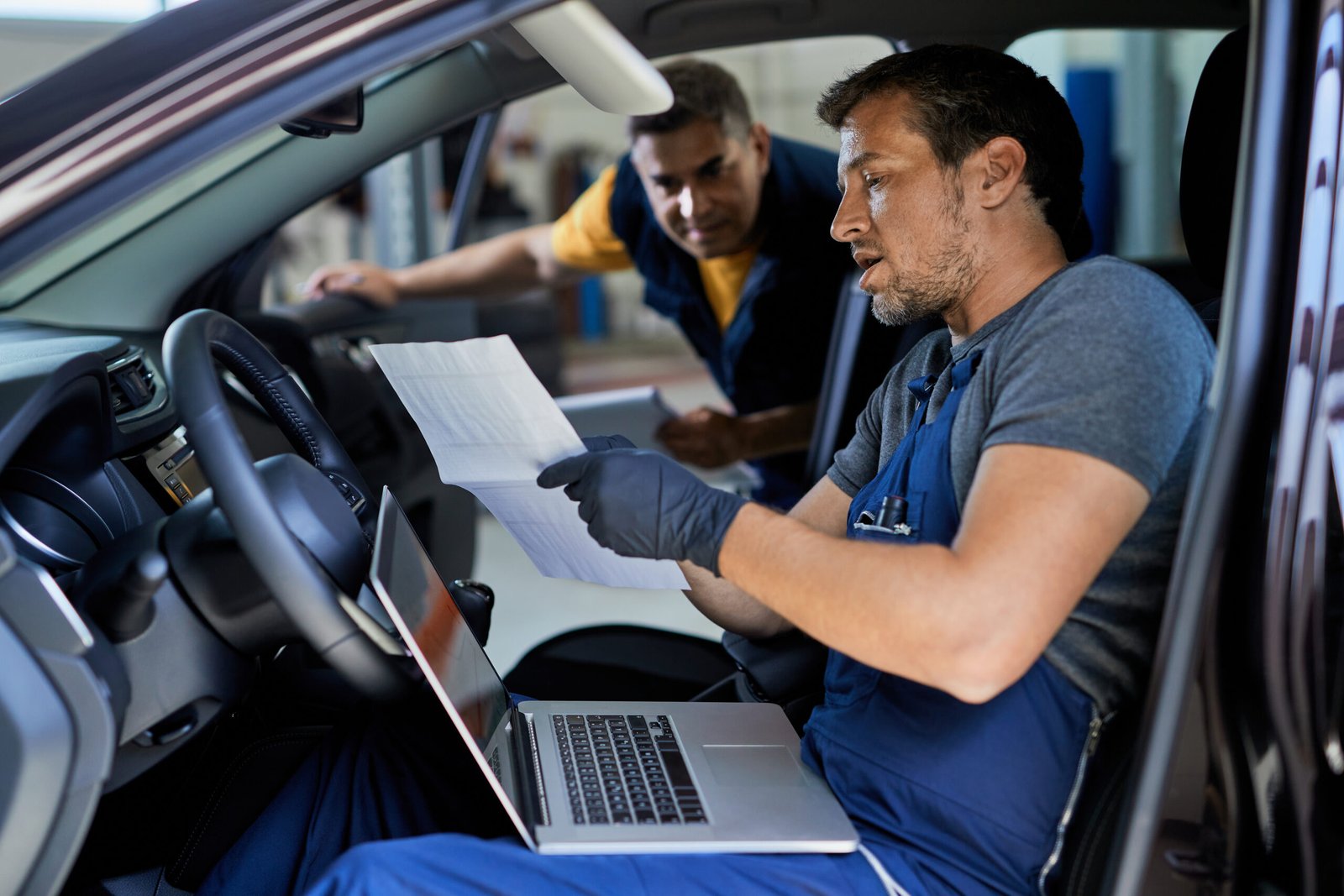
The days of a service tech arriving with just a wrench and a gas can are fading. Today’s road side assistance specialists are becoming part-time IT professionals.
Remote Diagnostics and “Hard Resets”
Many modern assistance plans now include remote “triage.” Before a truck is even dispatched, a technician can often tap into your car’s telematics to see the error code. In some cases, they can walk you through a “deep reboot” of the vehicle’s system—getting you back on the road without a tow.
What to Do When Your Tech Fails
If your car’s hardware is fine but the software is failing, follow these steps:
The “Sleep” Cycle: Turn the car off, exit the vehicle, lock it, and move at least 20 feet away for 10 minutes. This often forces the computers to fully shut down and restart.
Clean Your “Eyes”: Wipe down the cameras and sensors. A dirty lens can cause a “Safety System Fault.”
Call the Experts: Don’t try to “hack” the system or pull random fuses. Professional road side assistance providers now have specialized training for EV and smart-car recovery.
The Verdict
The definition of a “breakdown” has changed. Whether it’s a flat tire or a frozen firmware update, the goal remains the same: getting you home safely. As cars get smarter, make sure your road side assistance plan is keeping up with the tech
Digital vs. Physical: Software glitches are the “new” flat tire.
Don’t DIY Tech: Pulling fuses can void warranties; call a pro.
Verify Coverage: Ensure your plan covers “tech-support” and EV-specific needs.
In the spirit of reconciliation, RACQ acknowledges the Traditional Custodians of Country throughout Australia and their connections to land, water and community. We pay our respects to Elders past and present, and extend that respect to all Aboriginal and Torres Strait Islander peoples today.